
Regulatory compliance is a fundamental responsibility in property management. From fire safety and workplace health to building maintenance and accessibility, property owners must comply with various laws and standards to ensure their facilities remain safe, operational, and legally compliant. Effective facilities management (FM) plays a crucial role in meeting these obligations while reducing risks and protecting property value.
At Sepadu Group, regulatory compliance is integrated into every aspect of facilities management, helping organisations maintain safe, efficient, and compliant properties across residential, commercial, industrial, and mixed-use developments.
Why Regulatory Compliance Matters
Non-compliance can result in legal penalties, operational disruptions, safety incidents, and reputational damage. A proactive facilities management approach helps property owners identify potential issues early and maintain compliance through continuous monitoring and maintenance.
Effective compliance management helps organisations:
- Protect occupants, employees, and visitors
- Reduce legal and operational risks
- Maintain asset value and business continuity
- Build trust with tenants, customers, and stakeholders
How FM Teams Support Compliance
Facilities management teams coordinate a wide range of activities to ensure buildings continue to meet regulatory requirements. Key responsibilities include:
- Routine inspections and preventive maintenance
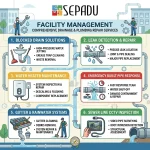
Regular inspections of HVAC systems, fire protection equipment, lifts, electrical systems, and plumbing help identify issues before they become compliance risks. - Health, safety, and emergency preparedness
FM teams maintain fire safety systems, emergency exits, evacuation plans, and workplace safety procedures to ensure readiness during emergencies. - Documentation and compliance records
Accurate maintenance records, inspection reports, permits, and certifications provide evidence of compliance and simplify regulatory audits. - Contractor and vendor management
Working with qualified contractors ensures maintenance, repairs, and inspections are completed according to applicable standards and regulations.
Best Practices for Maintaining Compliance
Regulatory compliance is an ongoing process rather than a one-time task. Successful property management teams should:
- Schedule regular compliance audits and safety inspections
- Keep maintenance records and certifications up to date
- Train employees on safety procedures and regulatory requirements
- Review maintenance plans regularly to reflect changing regulations
Through its integrated facilities management services, Sepadu helps organisations implement these best practices, ensuring properties remain compliant while operating efficiently.
The Value of Professional Facilities Management
Professional FM teams do more than maintain buildings, they help organisations stay ahead of changing regulations and minimise operational risks. A structured compliance strategy also improves occupant confidence, supports business continuity, and protects long-term investments.
Conclusion
Regulatory compliance is essential for successful property management, and facilities management teams are at the heart of achieving it. By combining preventive maintenance, regular inspections, accurate documentation, and ongoing monitoring, organisations can maintain safe and compliant facilities. With the expertise of Sepadu Group, property owners can confidently navigate regulatory requirements while protecting their people, assets, and reputation